As you start preparing for climate change, you're likely wondering where to begin. You've heard the warnings, seen the devastation, and know it's time to take action. But with so many potential risks and uncertainties, it's overwhelming to determine the best course of action. You'll need to assess your vulnerabilities, prioritize your needs, and create a tailored plan to safeguard your family and property. The journey ahead won't be easy, but with a clear understanding of the challenges and opportunities, you'll be better equipped to face the uncertainties of a changing climate.
Summary
- Develop a family emergency plan with a clear communication strategy and identify emergency meeting points.
- Build climate-resilient infrastructure with elevated, durable, and water-resistant materials, incorporating green roofs and impact-resistant windows.
- Stockpile essential items, including non-perishable food, first aid supplies, multipurpose tools, and a minimum of one gallon of water per person per day.
- Invest in alternative energy sources like solar power and renewable energy systems, and energy storage solutions for a reliable off-grid setup.
- Stay informed about local weather patterns and climate projections, and build a climate-aware community through outreach, workshops, and partnerships.
Understanding Climate Change Risks

One in five cities worldwide are already experiencing rising sea levels, and this number is expected to triple by 2050.
You need to understand the risks climate change poses to your community. Climate models predict more frequent and intense weather patterns, such as hurricanes, droughts, and heatwaves.
These events will disrupt food supplies, damage infrastructure, and threaten your safety. You must stay informed about local weather patterns and climate projections to anticipate potential risks.
Analyze climate models and weather forecasts to identify areas prone to flooding, wildfires, or other hazards. By understanding these risks, you can develop a plan to mitigate their impact and guarantee your freedom and autonomy in the face of climate change.
Building Climate-Resilient Shelters

In accordance with climate-resilient design principles, you should prioritize building shelters that can withstand the projected impacts of climate change, such as rising sea levels, intense storms, and wildfires.
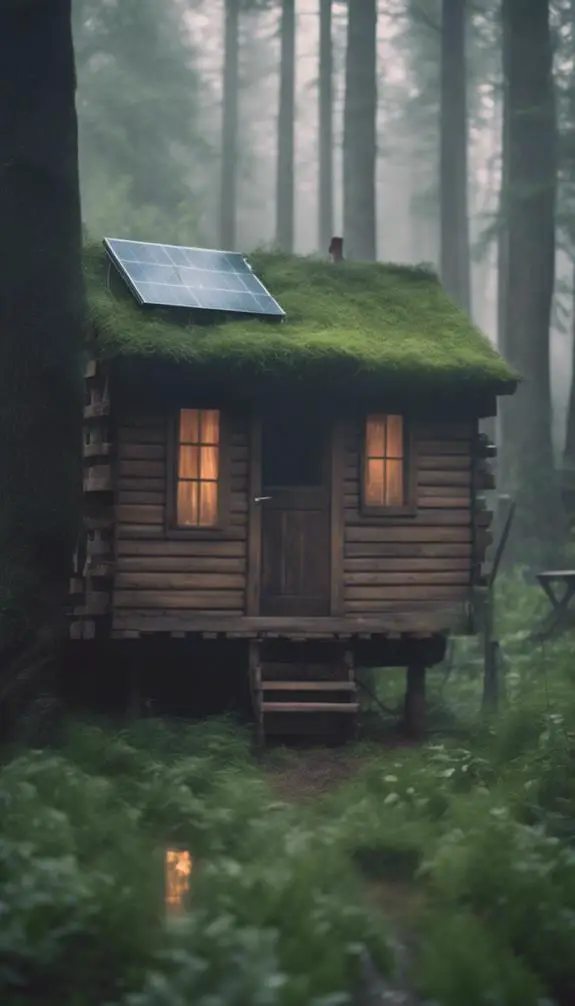
Consider incorporating green roofs, which provide insulation, absorb rainfall, and create habitats for wildlife. Earthship homes, made from natural and recycled materials, are another option.
They can be built underground, making them resistant to extreme weather conditions and minimizing their carbon footprint. When designing your shelter, guarantee it's elevated, has a secure foundation, and is constructed with durable, water-resistant materials.
Also, consider installing renewable energy systems, such as solar panels or wind turbines, to reduce your reliance on the grid.
Stockpiling Emergency Supplies

When preparing for climate-related emergencies, you'll want to stockpile essential items that'll help you survive and thrive during prolonged disruptions.
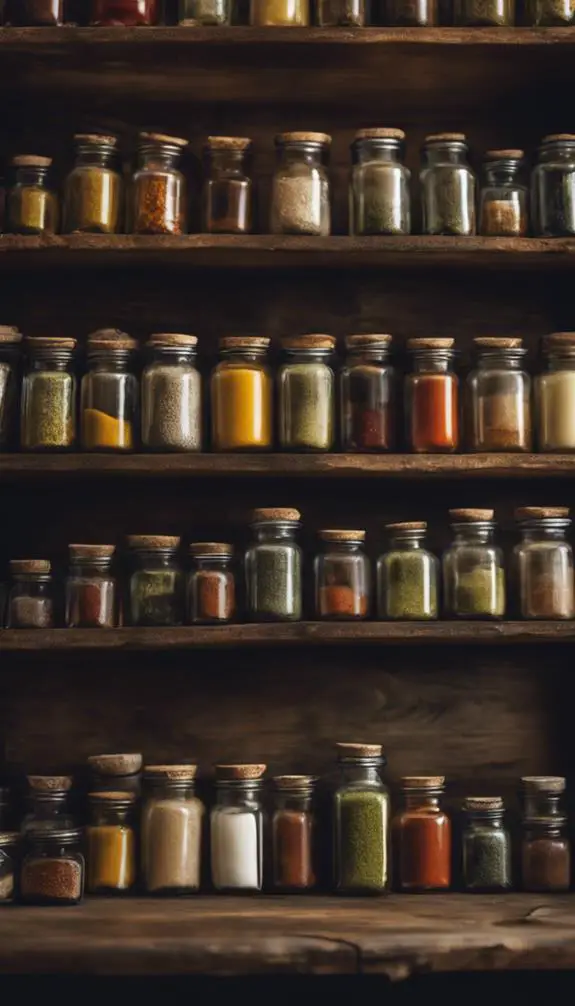
Start by creating a checklist of must-haves, including non-perishable food, first aid supplies, and multipurpose tools.
Additionally, consider investing in water storage solutions that can hold a minimum of one gallon per person per day for at least two weeks.
Essential Item Checklist
Resilience in the face of uncertainty begins with preparation.
As a prepper, you understand the importance of having a solid climate insurance plan in place. Your essential item checklist should include non-perishable food, medical supplies, and personal hygiene products.
Don't forget a first aid kit, flashlights, and a battery-powered radio. A prepper mindset means being proactive, not reactive.
Consider stockpiling warm clothing, blankets, and sleeping bags in case you lose heat or power. Tools like a multi-tool, duct tape, and rope can help with repairs and shelter.
Don't overlook important documents, such as insurance policies, identification, and copies of prescriptions.
Water Storage Solutions
How much water do you have set aside for emergency situations?
Having a sufficient water storage solution is vital for survival during climate change. You should aim to store at least one gallon per person per day for drinking, cooking, and hygiene.
Consider investing in rainwater harvesting systems, which collect and store rainwater for non-potable uses like flushing toilets and washing clothes.
Underground tanks are a great option for storing large quantities of water, providing a secure and hidden storage solution.
Make sure to regularly test and maintain your stored water to confirm it remains safe for consumption.
Climate-Proofing Your Home

As you assess your home's vulnerability to climate-related disasters, focus on the most critical areas that need reinforcement, starting from the roof down to the foundation.
Certify your roof is securely fastened, and consider investing in impact-resistant materials to withstand extreme weather conditions.
Inspect your windows and doors for air leaks and install weatherstripping solutions to prevent water intrusion.
Don't overlook your home's foundation; inspect for cracks and consider reinforcing it with seismic retrofitting measures.
Finally, consider investing in climate insurance to protect your financial assets in the event of a disaster.
Creating a Family Emergency Plan

You need a family emergency plan that outlines a clear communication strategy, so everyone knows how to reach each other in case of separation during a climate-related disaster.
This plan should also identify emergency meeting points, both within and outside your neighborhood, where family members can gather once the immediate danger has passed.
Communication Strategy
Developing a family emergency plan is a crucial step in preparing for climate-related disasters, and effective communication is at its core.
You'll need a strategy to stay in touch with family members during a crisis. Designate a meeting point outside the home and a contact person for everyone to reach out to if you get separated.
Establish a communication method, such as a messaging app or a two-way radio, and make sure everyone knows how to use it.
Set up crisis messaging protocols, including a system for sharing climate updates and emergency alerts.
Identify trusted sources for climate information and designate a family member to monitor and share updates.
Practice your communication plan regularly to guarantee it's effective when you need it most.
Emergency Meeting Points
In the aftermath of a climate-related disaster, having a designated emergency meeting point outside the home can mean the difference between safety and uncertainty.
You'll need to identify safe zones in your area, away from hazards like flood zones, power lines, and main roads.
Establish meeting protocols with your family, such as a primary and secondary meeting point, in case you get separated.
Choose a spot that's easy to find, like a landmark or a public building.
Make sure everyone knows the address, GPS coordinates, and any distinctive features.
Practice your plan with regular drills to certify everyone knows what to do in case of an emergency.
Water Storage and Purification

Amidst rising concerns about climate change, securing access to clean water becomes increasingly vital.
You'll need a reliable water storage system to mitigate the risks of water scarcity. Store water in food-grade containers, such as polypropylene or stainless steel tanks, and keep them clean and covered to prevent contamination.
Consider installing a rainwater harvesting system to collect and store rainwater for non-potable uses.
When it comes to purification, you'll need a system that can remove bacteria, viruses, and other contaminants.
Look into filters with a porosity of 0.2 microns or smaller, such as ceramic or hollow-fiber membrane filters. Additionally, consider investing in a water purification tablet or UV purifier as a backup.
Flood contamination is a significant concern, so make sure your purification system can handle heavy metals and other pollutants.
Food Security in a Changing Climate

As climate change reshapes our environment, you'll need to rethink your food supply to guarantee a steady flow of nutritious staples.
Climate smart farming practices will become essential to certify crop resilience and adaptability. Invest in Agri insurance to safeguard your harvests against unpredictable weather patterns.
Diversify your food sources by cultivating multiple crops, incorporating vertical farming, and exploring alternative protein sources like insect farming or aquaculture.
Consider stockpiling non-perishable food items and preserving seasonal produce through canning, freezing, or dehydrating. By taking proactive steps, you'll be better equipped to maintain food security in a changing climate, safeguarding your freedom and independence.
Alternative Energy Sources

You'll need to weigh alternative energy sources to reduce your reliance on fossil fuels and mitigate the impacts of climate change.
Solar power options, such as rooftop panels and solar farms, can provide a clean and reliable source of energy.
As you explore renewable energy systems and energy storage solutions, you'll want to evaluate their feasibility and implementation costs for your specific situation.
Solar Power Options
Harnessing solar power is becoming increasingly essential as the world shifts away from fossil fuels, and exploring various solar power options is pivotal for mitigating climate change.
As a prepper, you'll want to ponder solar power systems that allow you to generate your own electricity. This includes investing in high-efficiency solar panels and solar inverters that convert DC power into AC power, making it usable in your home.
You'll also need to decide whether to connect to the power grid or go off-grid. If you choose to connect, you'll need to guarantee your system meets the grid's requirements, whereas going off-grid provides more independence but requires more energy storage.
Renewable Energy Systems
Renewable energy systems, encompassing a broad range of alternative energy sources, offer a vital supplement to solar power in your climate change preparation arsenal.
You'll want to weigh incorporating green infrastructure into your energy strategy, which can include wind power, hydro power, and geothermal energy. These systems provide energy independence, reducing your reliance on the grid and enhancing your overall resilience.
When selecting a renewable energy system, weigh factors such as your location, energy needs, and budget. Wind turbines, for example, are a viable option for rural areas with consistent wind patterns.
Energy Storage Solutions
As you expand your energy independence with renewable energy systems, it's equally important to ponder how you'll store the energy generated by these alternative sources.
Energy storage solutions are vital for a reliable and efficient off-grid setup. Deep cycle batteries are a popular choice, but they require regular maintenance to achieve peak performance.
Implement a routine battery maintenance schedule to monitor charge levels, clean terminals, and adjust electrolyte levels. This will prolong the lifespan of your batteries and guarantee a steady supply of power.
Climate-Resistant Gardening Techniques

You can future-proof your garden by adopting climate-resilient gardening techniques that help your plants thrive in the face of rising temperatures, altered precipitation patterns, and increased weather extremes.
Crop rotation is a key strategy, allowing you to adapt to changing conditions by switching between warm- and cool-season crops. This approach also promotes soil health and reduces pest and disease pressure.
Consider hydroponics, which uses nutrient-rich water rather than soil, providing greater control over growing conditions. This method can increase yields and reduce water consumption, making it ideal for areas prone to drought.
Staying Informed About Climate Alerts

Staying ahead of climate-related weather events is vital to protecting your garden and community.
You need reliable sources of information to stay informed about climate alerts. Invest in a weather radio, which receives emergency alerts and weather updates directly from the National Weather Service.
Download climate apps like Dark Sky or Weather Underground to receive real-time weather forecasts and alerts on your smartphone. These apps provide detailed information on temperature, precipitation, and wind patterns, helping you prepare for extreme weather events.
Stay up-to-date with climate-related news and research to anticipate potential threats and take proactive measures. By staying informed, you can respond quickly to emerging climate-related threats and protect your garden and community from the impacts of climate change.
Building a Climate-Aware Community

With climate change posing a significant threat to local ecosystems, it's crucial to build a climate-aware community that can collaborate and respond effectively to emerging challenges.
You'll need to identify like-minded individuals who share your concerns and are willing to take action. Consider partnering with a Climate Buddy, someone who can provide emotional support and help with tasks during climate-related events.
Community Outreach is key to spreading awareness and recruiting members. Organize workshops, webinars, or town hall meetings to educate people about climate change and its impacts.
Financial Preparation for Climate Disasters

Building a climate-aware community is only the first step in preparing for the impacts of climate change.
Now, it's time to focus on financial preparation. You'll need a solid emergency fund to cover unexpected expenses related to climate disasters.
Consider investing in climate insurance to mitigate potential losses. Make sure you understand your policy's coverage, deductibles, and limitations.
Additionally, research government disaster funding programs and know how to access them in case of an emergency.
Having a financial safety net will give you peace of mind and allow you to focus on rebuilding and recovery. By taking these steps, you'll be better equipped to weather the financial storms that come with climate change.
Mental Preparation for Climate Chaos

Resilience is the shield that protects you from the emotional turmoil of climate chaos.
As you prepare for the physical impacts of climate change, don't neglect your mental preparation. Climate anxiety and eco-grief are real and can be debilitating.
You'll need to develop coping strategies to manage the emotional toll of witnessing environmental destruction and uncertainty. Practice self-compassion, acknowledge your emotions, and focus on what you can control.
Build a support network of like-minded individuals who share your concerns. Stay informed but avoid obsessive news consumption, which can exacerbate anxiety.
FAQs
Can I Prepare for Climate Change on a Limited Budget?
You can prepare for climate change on a limited budget; start by leveraging free resources like online tutorials and community workshops, and invest in budget-friendly solutions like DIY rainwater harvesting and energy-efficient upgrades.
How Do I Prioritize Climate Change Preparations With Other Emergencies?
You'll need to conduct a thorough risk assessment, ranking emergencies by likelihood and impact, then allocate resources accordingly, ensuring you're prepared for the most critical threats, while also addressing climate change-specific vulnerabilities in your emergency plan.
Will Climate Change Affect My Mental Health and How Can I Cope?
You'll likely face climate anxiety and eco-grief as climate change's realities set in; to cope, prioritize self-care, build a support network, and focus on proactive preparations to empower yourself and regain a sense of control.
Can I Rely on Government Assistance During Climate-Related Disasters?
When disasters strike, you can't solely rely on government assistance; history shows us government failures in disaster response, so it's vital you're self-sufficient, prepared to adapt, and have a backup plan in place to safeguard your safety and well-being.
Are There Climate Change Preparation Strategies for Urban Dwellers?
You'll need to adapt urban living to climate realities by creating urban gardens for food security, utilizing climate mapping to identify flood-prone areas, and developing evacuation plans to guarantee your safety and freedom during disasters.
Conclusion
You've taken the first step towards climate resilience by preparing as a prepper. Now, stay vigilant and adapt to emerging climate risks. Continuously monitor climate models, update your emergency plan, and maintain your shelter and supplies. Stay informed about climate alerts and engage with your community to build collective resilience. By doing so, you'll be better equipped to face the uncertainties of climate change and guarantee your family's survival.